
Pulmonary Rehabilitation

Learn how pulmonary rehabilitation supports lung health, improves breathing, and helps patients recover from COPD, pneumonia, and chronic respiratory conditions.

Restoring Strength, Breathing, and Quality of Life

Breathing is one of the body’s most essential functions, yet millions of people live with chronic lung conditions that make every breath more difficult. Pulmonary Rehabilitation is a specialized healthcare approach designed to improve respiratory function, build endurance, and support a better quality of life for patients living with chronic lung disease or recovering from serious respiratory illness.

According to the World Health Organization, chronic respiratory diseases affect more than 550 million people worldwide, with Chronic Obstructive Pulmonary Disease (COPD) ranking as the third leading cause of death globally. In the United States alone, more than 16 million adults have been diagnosed with COPD, and many more remain undiagnosed. These numbers highlight the growing importance of structured pulmonary rehabilitation programs and personalized respiratory care.

Pulmonary rehabilitation is a medically supervised program that combines exercise training, education, breathing techniques, and emotional support to help patients manage lung disease and improve daily function. Often referred to as lung therapy, this treatment focuses on strengthening the respiratory muscles, increasing oxygen efficiency, and helping patients perform daily tasks with less shortness of breath.

Unlike standard medical treatment that focuses mainly on medication, pulmonary rehabilitation services address the physical and emotional challenges of chronic respiratory illness. Studies show that pulmonary rehab can reduce hospital admissions by nearly 30% among COPD patients and significantly improve exercise capacity.

Patients participating in respiratory rehabilitation programs often learn techniques such as controlled breathing, energy conservation, airway clearance methods, and proper medication management.

Many respiratory and lung-related conditions can benefit from pulmonary rehabilitation. These programs are not limited to severe lung disease. They can support patients at different stages of illness or recovery.

Common conditions that may require pulmonary rehabilitation include:

  • Chronic Obstructive Pulmonary Disease (COPD) – One of the most common reasons patients enroll in COPD rehab programs. Pulmonary rehab helps reduce breathlessness, improve stamina, and lower the risk of flare-ups.
  • Pulmonary Fibrosis – This progressive lung disease causes scarring in the lungs, limiting oxygen exchange. Rehabilitation helps improve tolerance for physical activity.
  • Asthma – Patients with severe or uncontrolled asthma may benefit from breathing retraining and exercise conditioning.
  • Pneumonia Recovery – For patients recovering from pneumonia at home, pulmonary rehab can help rebuild lung capacity and strength after infection.
  • Post-COVID Lung Complications – Many patients continue to experience breathing difficulties after COVID-19. Pulmonary rehabilitation has become an important recovery strategy.
  • Lung Cancer and Post-Surgical Recovery – Patients recovering from lung surgery or cancer treatment often need respiratory support to restore function.

Effective pulmonary rehabilitation programs are individualized based on each patient’s diagnosis, symptoms, and physical limitations. Care usually begins with a comprehensive assessment that evaluates lung function, oxygen levels, mobility, and overall health.

A structured treatment plan may include:

  • Exercise Training – Supervised exercises improve endurance, strengthen muscles, and increase cardiovascular health. Research shows that even eight weeks of rehab can improve walking distance by up to 20% in COPD patients.
  • Breathing Techniques – Patients are taught methods like pursed-lip breathing and diaphragmatic breathing to improve oxygen intake and reduce breathlessness.
  • Education and Self-Management – Learning about medications, oxygen therapy, nutrition, and symptom monitoring helps patients gain confidence in managing their condition.
  • Nutritional Support – Poor nutrition can weaken respiratory muscles. Proper meal planning supports better energy and recovery.
  • Emotional Support – Anxiety and depression are common among patients with chronic lung disease. Pulmonary rehab often includes counseling or support strategies to address mental wellness.

Many patients receive care through hospitals, outpatient clinics, and specialized pulmonary rehabilitation facilities, depending on their condition and mobility needs.

For many patients, especially older adults or those with limited mobility, home-based care can be an essential extension of pulmonary rehabilitation services. Skilled home nursing provides professional medical support while allowing patients to recover in a familiar and comfortable environment.

Home nurses play an important role by:

  • Monitoring respiratory status – They assess breathing patterns, oxygen saturation, lung sounds, and signs of infection or distress.
  • Managing oxygen therapy – Proper oxygen use is critical for many pulmonary patients. Nurses ensure equipment is functioning correctly and safely.
  • Supporting medication adherence – From inhalers to nebulizer treatments, skilled nurses help patients follow their prescribed therapies accurately.
  • Guiding exercise routines – Home-based exercises can strengthen endurance and improve mobility under professional supervision.
  • Educating patients and families – Families learn how to recognize warning signs, support breathing exercises, and maintain a safe recovery environment.

Studies show that home-based pulmonary rehabilitation can achieve similar outcomes to facility-based programs for selected patients, making it a valuable option for long-term care and recovery.

With the right combination of expert care, education, and consistent support, pulmonary rehabilitation can help patients breathe easier, regain independence, and improve their overall well-being.

Professional involvement in a medical treatment cost depends on your health requirements and medical insurance particularities. However, a skilled nurse will always be prepared to deal with pulmonary rehabilitation patient’s needs. So please feel free to call us about any inquiry or information regarding the home care of an ill patient.

At Signature, we have the resources and experience to provide the best quality of care for the patient and the family. Also, our registered nurses may help with assistance and could support any treatment process.

For more information on how Signature Health Services can help with your healthcare needs, please call 1 (800) 277-8291 (option 1) or email information@signaturehealthservices.net.
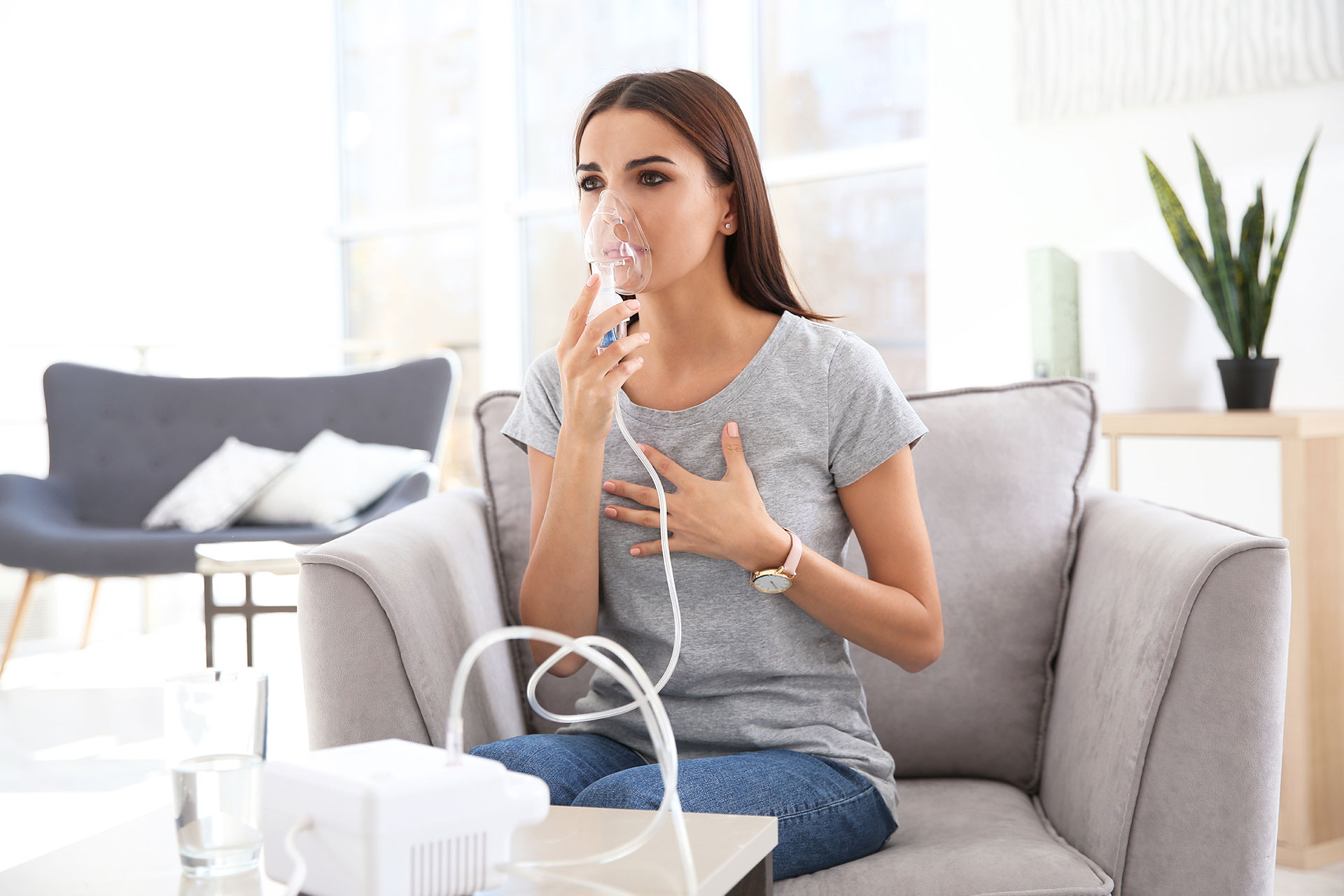
female having emphysema

Trust Our Experience. Trust Our Team. Trust Our Results.

  ALWAYS ON CALL

Monday – Sunday 24 / 7

   1 (800) 277-8291 (option 1)

  COUNTIES SERVED
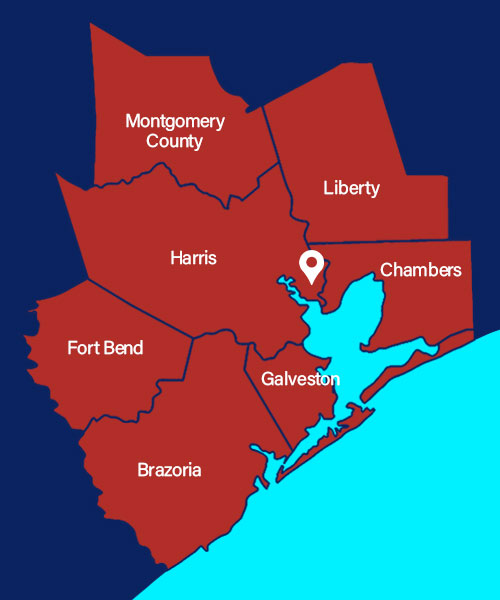
service area

  OUR VALUES

We are passionate about developing, growing, and shaping relationships.

We set the bar high determined to create an exceptional experience.

We stand for what is right and are committed to our cause.
By uniting individuals collaborating on a common goal together is where success is born.

  TESTIMONIALS

0
Patients Treated
0
Skilled Nurses
0
Insurance Plans
0
Medical Partners

Request Home Health Care

We are available 24 hours a day and on weekends with an RN always on call.

Skilled Nurses

logo star blue white

Every nurse is qualified and expertly trained to impact the health lives of our patients, while we treat them like family.

Expert Care
logo star blue red

Our skilled team has a wide range of specialties with comprehensive knowledge of how to treat all types of medical needs.

Superb Rehabilitaion

logo star red white

We’re honored to have served our community for nearly 30 years with utmost dedication and are grateful to be your 1st choice in home health care.