
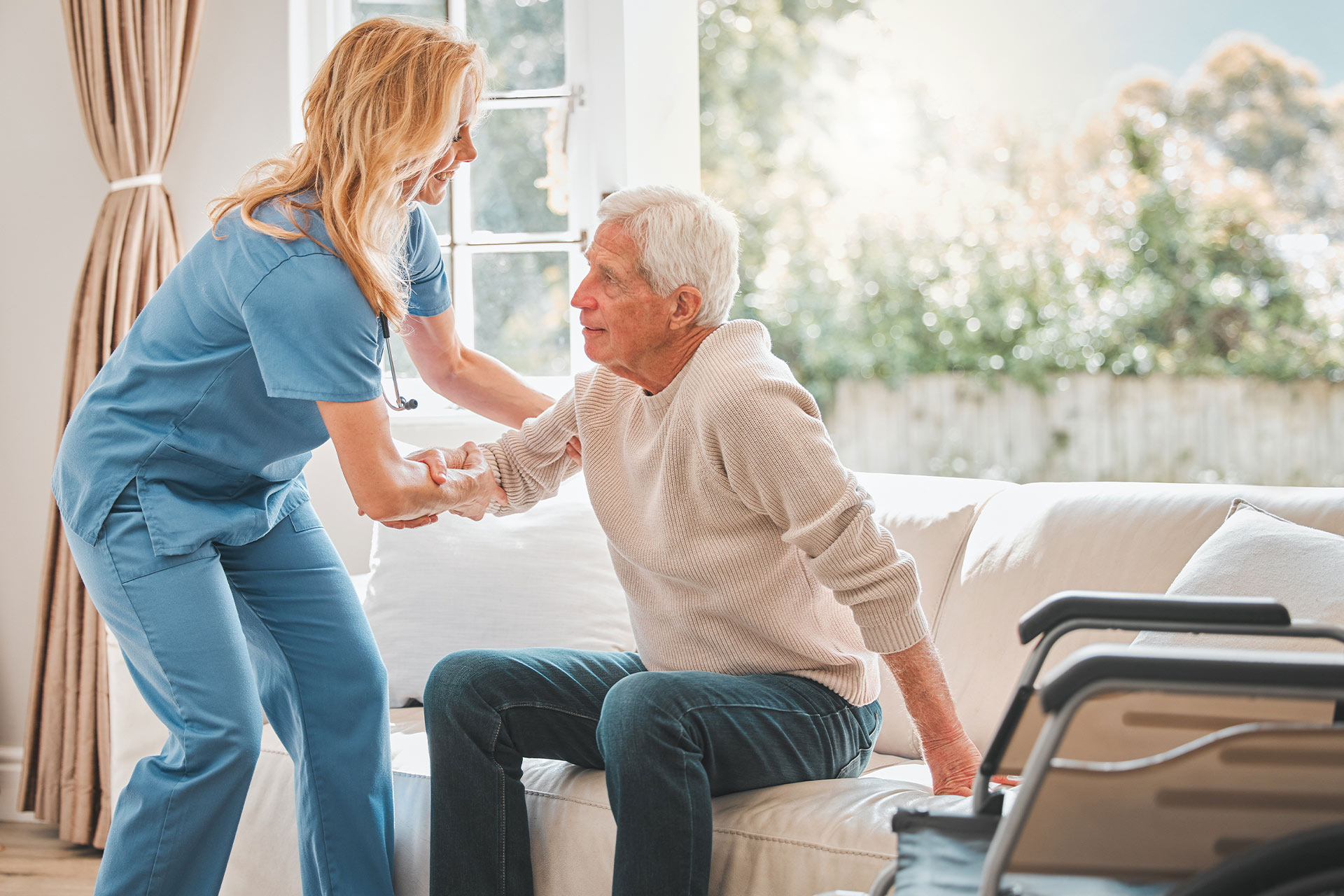
Care After a Fall

Signature Health Services can help with care after a fall.

Care After a Fall

Care after a fall refers to the immediate and ongoing medical attention and support provided to individuals who have experienced a fall. This care is crucial in preventing further injury, promoting recovery, and reducing the risk of subsequent falls. Anyone can experience a fall, but they are particularly common and dangerous for older adults. Knowing how to treat a fall effectively can significantly impact the patient’s recovery process and overall well-being.
  1. Stay Calm and Assess the Situation – The very first step after falling is to keep calm. Panicking can only exacerbate the situation. Take a moment to assess your condition and surroundings.
  2. Check for Injuries – Before attempting to move, check for any pain, swelling, or visible injuries. If you suspect you have a serious injury, such as a fracture or head trauma from the fall, do not attempt to get up. Call for help immediately.
  3. Get Up Safely – If you feel strong enough to get up, do so carefully. Roll onto your side, then onto your hands and knees. Use sturdy furniture to support yourself as you rise to a standing position. If you are unable to get up, call for assistance and try to stay warm and comfortable until help arrives.
  4. Seek Medical Attention – It is crucial to seek medical advice, even if injuries seem minor. A professional healthcare provider can evaluate you for any hidden injuries and deliver appropriate fall injury treatment.

A fall risk assessment is a critical tool in identifying patients at high risk of falling. This assessment typically includes:

  • Medical History Review – Evaluating past falls, medications, and medical conditions.
  • Physical Examination – Assessing balance, strength, and mobility.
  • Environmental Assessment – Identifying potential hazards in the patient’s environment that could contribute to falls.

Regular fall risk assessments can help implement preventive measures, such as physical therapy, home modifications, or the use of assistive devices.

It is a significant concern due to the increased risk of severe injuries like fractures, head trauma, and prolonged hospital stays. Factors contributing to older adults falling include:

  • Muscle Weakness – Age-related muscle loss can impair balance and strength.
  • Medication Side Effects – Some meds can cause dizziness or drowsiness.
  • Vision and Hearing Impairments – Reduced sensory perception can affect balance and awareness of surroundings.
  • Chronic Conditions – Arthritis, diabetes, and heart conditions can increase fall risk.

It is crucial to handle the situation with care and sensitivity. When an older adult falls, you should:

  • Stay Calm and Assess for Injuries – Approach the person calmly and assess for any visible injuries. Ask them if they are in pain and where it hurts.
  • Do Not Move Them Immediately – If there is a possibility of a serious injury, especially a head injury or fracture, do not attempt to move them. Call emergency services for assistance.
  • Provide Comfort and Reassurance – Reassure the person that help is on the way. If necessary, cover them with a blanket to keep them warm.
  • Assist Them to a Safe Position – If they are not seriously injured and feel capable, assist them to a seated or standing position using the safest method possible.
  • Seek Medical Attention – Ensure they receive a thorough medical evaluation to rule out any internal injuries or complications.

It varies depending on the severity and type of injury. Common treatments include:

  • First Aid – Cleaning and dressing minor cuts and bruises.
  • Immobilization – Using splints or casts for fractures.
  • Surgery – In most severe cases, surgical intervention may be required to repair broken bones or internal injuries.
  • Rehabilitation – Engaging in physical therapy to regain strength and functionality.
  • Medication – Prescribing pain relief or anti-inflammatory medications as needed.

The best treatment after a fall involves a multidisciplinary process that addresses immediate injuries and prevents future falls. This approach ensures that all aspects of the patient’s health are considered, resulting in more effective treatment.

Practical strategies for preventing future falls include:

  • Home Safety Modifications – Remove tripping hazards, install grab bars, and improve lighting.
  • Regular Exercise – Encouraging activities that enhance strength, balance, and coordination.
  • Routine Check-ups – Regular medical and vision check-ups to monitor health conditions and update medications.
  • Proper Footwear – Wearing supportive, non-slip shoes to reduce the risk of slipping.

They are often the first responders in a fall situation, and their actions can significantly impact the outcome. Nurses, especially those working in home environments, play a key role in fall prevention, assessment, and post-fall care. Their responsibilities include:

  • Conducting Assessments – Performing comprehensive fall risk assessments for patients.
  • Educating Patients and Families – Providing education on fall prevention strategies and safe practices at home.
  • Implementing Preventive Measures – Recommending and facilitating interventions, such as strength and balance training, environmental modifications, and assistive devices.
  • Providing Post-Fall Care – Administering first aid, monitoring for complications, and coordinating follow-up care.
  • Emotional Support – Offering reassurance and emotional support to patients and families after a fall.

At Signature, we have the resources and experience to provide the highest quality of care for patients and families. Our registered nurses can also assist with and support any treatment process.

care after a fall

For more information on how Signature Health Services can help with your healthcare needs, please call 1 (800) 277-8291 (option 1) or email information@signaturehealthservices.net.
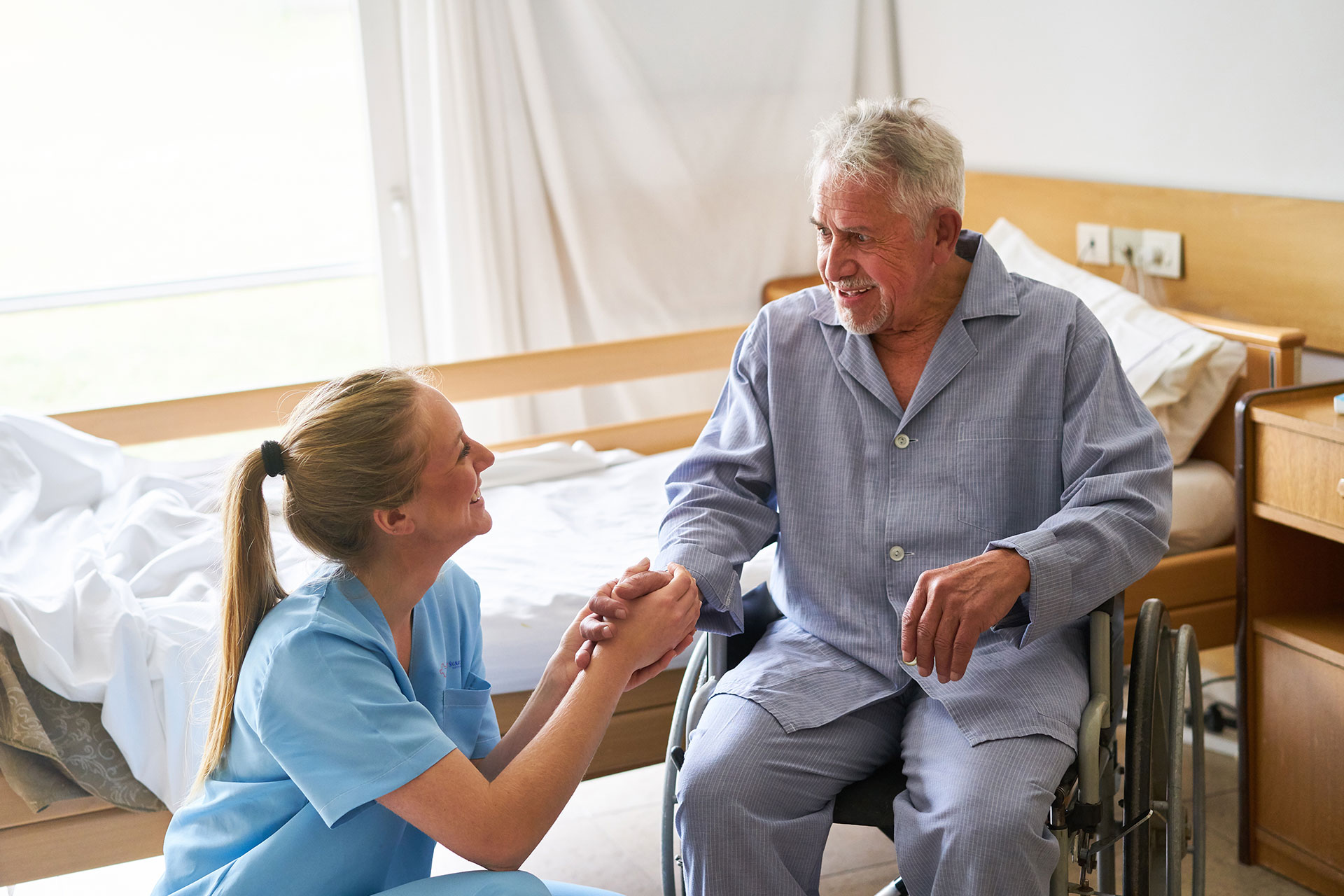
care after a fall

Trust Our Experience. Trust Our Team. Trust Our Results.

  ALWAYS ON CALL

Monday – Sunday 24 / 7

   1 (800) 277-8291 (option 1)

  COUNTIES SERVED
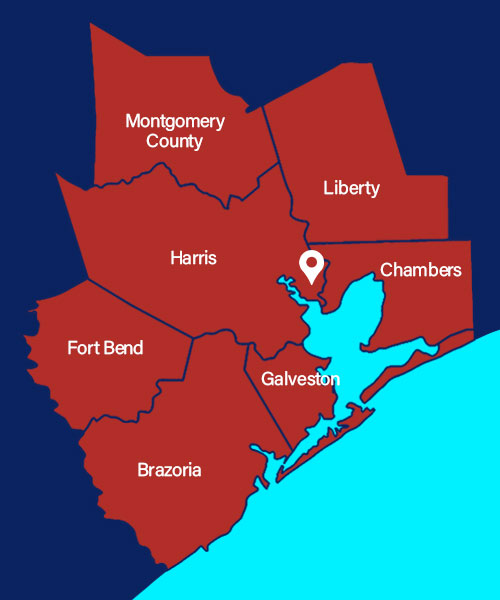
service area

  OUR VALUES

We are passionate about developing, growing, and shaping relationships.

We set the bar high determined to create an exceptional experience.

We stand for what is right and are committed to our cause.
By uniting individuals collaborating on a common goal together is where success is born.

  TESTIMONIALS

I love all of my home health people.

PATRICIA DELACRUZ

All Signature staff as well as therapy were very helpful.

EDWARD HOLMES JR.

Their services have always been great.

SHERRY CAMPBELL

I really love my physical therapist. Gary has helped me so much.

MAGGIE CHAPPEL

This has been one of the best agencies. Very caring nurses.

SHARI BRITTON

I’ve had a really good physical therapist and really nice nurses.

DARREL HOPPE

I have had excellent care & would recommended them to anyone.

NANCY GREEN

Gary Dixon is the very best physical therapist in Baytown and Houston Area.

ANN MULLINS
0
Patients Treated
0
Skilled Nurses
0
Insurance Plans
0
Medical Partners

Request Home Health Care

We are available 24 hours a day and on weekends with an RN always on call.

Skilled Nurses

logo star blue white

Every nurse is qualified and expertly trained to impact the health lives of our patients, while we treat them like family.

Expert Care

logo star blue red

Our skilled team has a wide range of specialties with comprehensive knowledge of how to treat all types of medical needs.

Superb Rehabilitaion

logo star red white

We’re honored to have served our community for nearly 30 years with utmost dedication and are grateful to be your 1st choice in home health care.