
Kidneys rarely receive the same attention as the heart, lungs, or brain, yet these two small organs play a decisive role in maintaining overall health. Kidney health awareness is essential because kidney disease often develops quietly, without clear symptoms during its early stages. By the time warning signs appear, damage may already be significant. This reality is the reason health organizations dedicate time each year to education and prevention through Kidney Month, a nationwide effort focused on protecting kidney function and improving early detection.
Across the United States and many parts of the world, healthcare providers, advocacy groups, and public health institutions highlight prevention, testing, and treatment during March Kidney Awareness initiatives. These campaigns encourage individuals, families, and healthcare professionals to talk openly about kidney health, risk factors, and the value of routine medical care.
The Scope of Kidney Disease Today
Kidney disease remains a major public health concern. According to the Centers for Disease Control and Prevention, more than 37 million adults in the United States live with chronic kidney disease (CKD). Many people do not realize they have it. Estimates from the CDC suggest that about 90 percent of patients with CKD are unaware of their condition because early stages often produce no noticeable symptoms.
Chronic kidney disease gradually reduces the kidneys’ ability to filter waste and excess fluids from the blood. Without proper management, the condition can progress to kidney failure, which requires dialysis or a transplant to sustain life. Increasing kidney failure awareness remains a key goal of healthcare campaigns because early diagnosis can slow disease progression and improve quality of life.
Two major health conditions strongly influence kidney health. Diabetes and high blood pressure are the leading causes of chronic kidney disease. The National Institute of Diabetes and Digestive and Kidney Diseases reports that diabetes accounts for nearly half of all cases of kidney failure in the United States, while hypertension is another major contributor. Both conditions damage the tiny blood vessels inside the kidneys over time, gradually reducing their ability to filter blood effectively.
Why Healthy Kidneys Matter
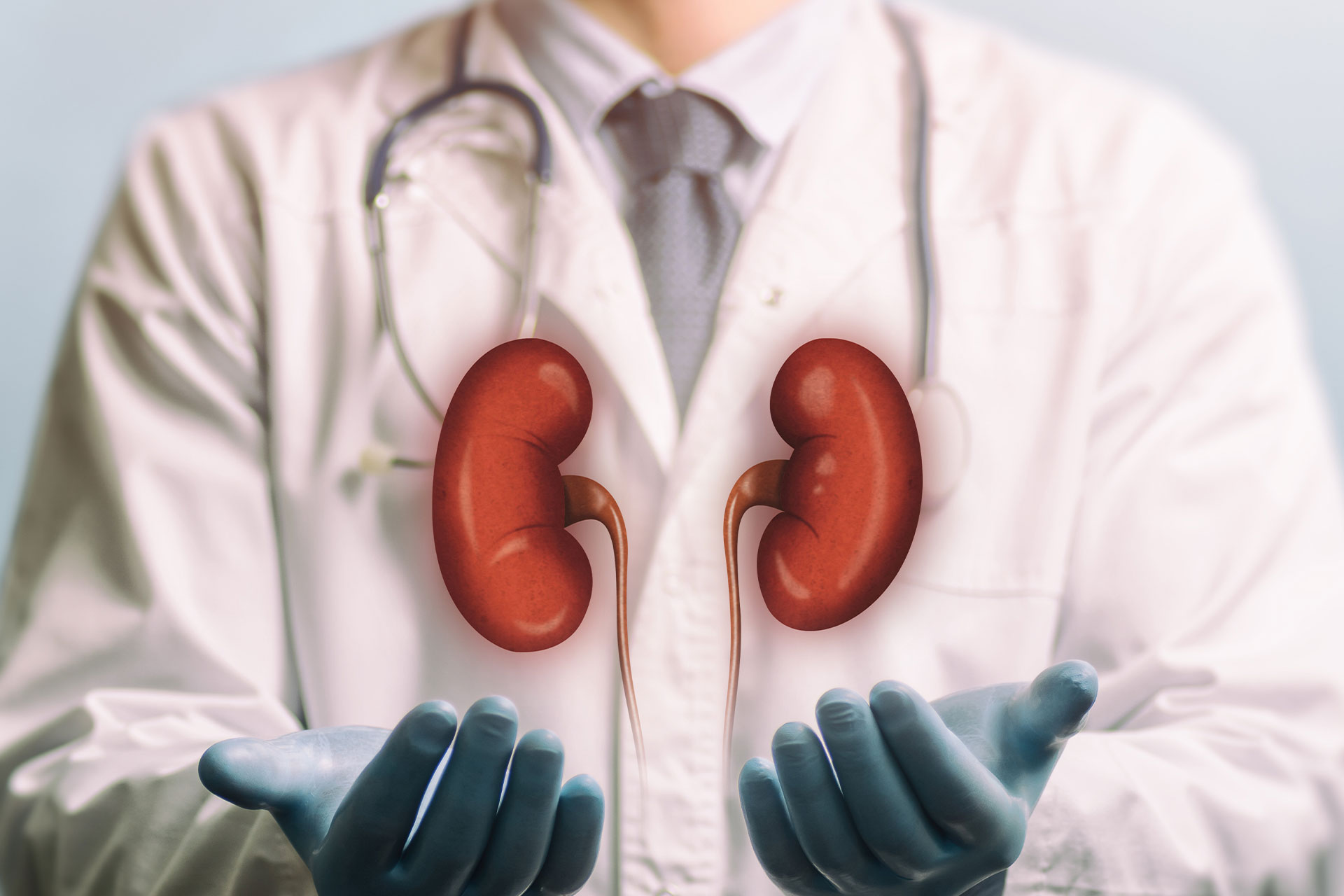
The kidneys perform several essential tasks that affect nearly every system in the body. Located just below the rib cage on each side of the spine, these organs work continuously to keep the body balanced and functioning properly.
Their primary role is filtering waste products and excess fluids from the bloodstream, which are then eliminated through urine. However, kidney function extends far beyond simple filtration.
Healthy kidneys help regulate blood pressure, maintain electrolyte balance, support bone health through vitamin D activation, and produce hormones that stimulate red blood cell production. When kidney function declines, these processes can become disrupted, leading to fatigue, swelling, anemia, and other serious health complications.
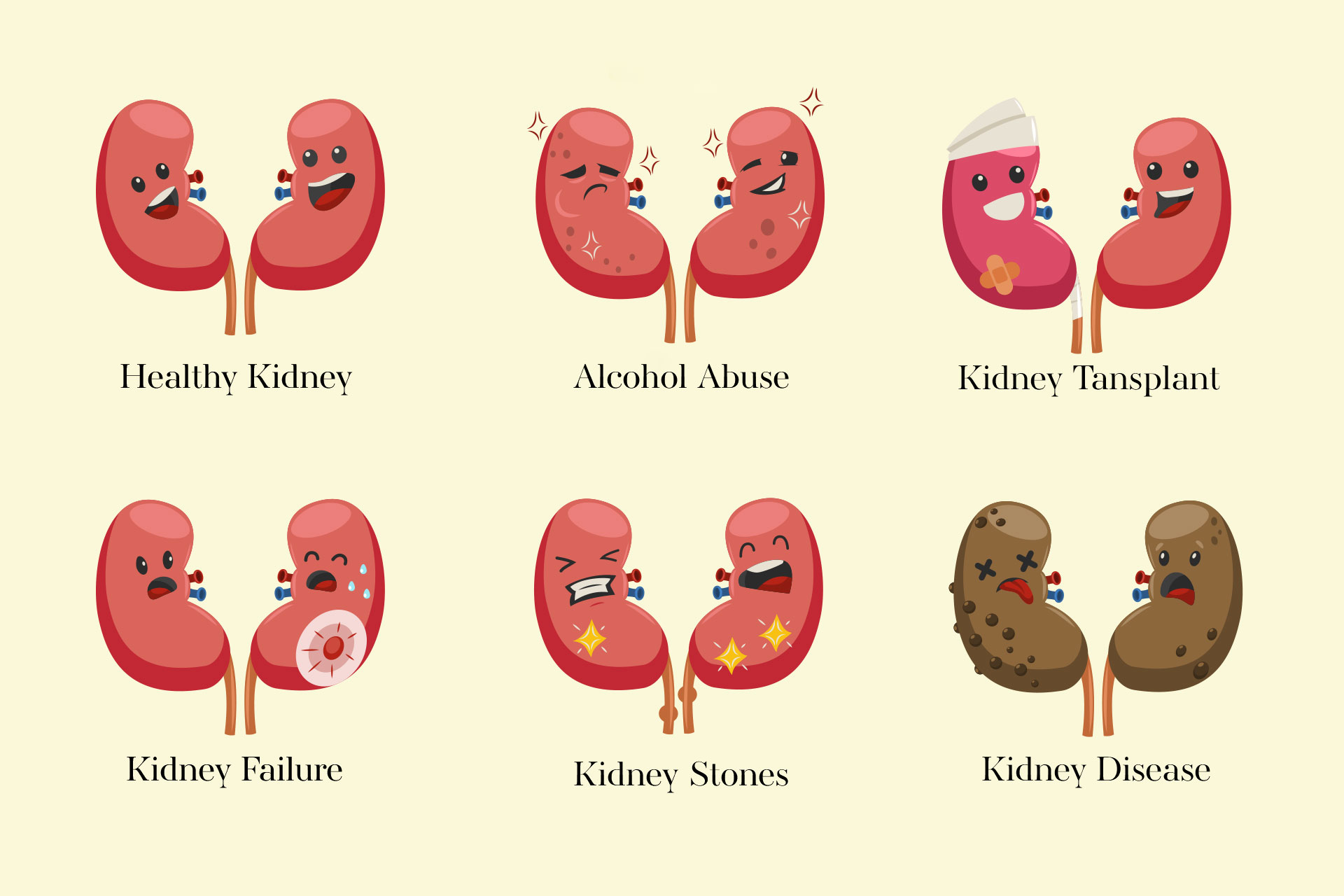
Common kidney conditions include kidney stones, infections, cysts, acute kidney injury, and chronic kidney disease. Some develop suddenly, while others progress slowly over many years. Without proper care and monitoring, several of these conditions can lead to kidney failure.
World Kidney Day and Global Awareness Efforts
The international campaign known as World Kidney Day plays a central role in promoting global education and prevention. Celebrated annually in March, this health observance brings attention to the importance of early screening and risk management.
The World Kidney Day 2026 theme is “Kidney Health for All: Caring for People, Protecting the Planet”. Celebrated on March 12, 2026, this campaign highlights the link between environmental factors, like air pollution, heat, and dehydration, and kidney health, while promoting sustainable kidney care.
Early Detection Saves Lives
One of the most important messages promoted during World Kidney Day campaigns is the value of early detection. Kidney disease can often be identified through simple laboratory tests before symptoms appear.
A blood test measuring creatinine levels helps estimate the glomerular filtration rate, or GFR, which indicates how well the kidneys filter blood. A urine test can detect protein, an early marker of kidney damage. These tests are especially important for patients with diabetes, high blood pressure, heart disease, or a family history of kidney problems.
Early diagnosis allows healthcare providers to slow disease progression through medication, lifestyle adjustments, and ongoing monitoring. This approach can significantly delay or even prevent kidney failure in many patients.

How Home Healthcare Supports Kidney Patients
For patients living with chronic kidney disease or recovering from kidney-related complications, professional care at home can make a meaningful difference. Home nursing services provide ongoing monitoring, education, and support that help patients manage complex health conditions safely and comfortably.
At Signature Health Services, experienced nurses and licensed therapists work closely with patients living with chronic conditions such as kidney disease. Through in-home monitoring, medication education, and dietary guidance, home healthcare professionals support individuals who require consistent medical attention but prefer the comfort and safety of home.
For patients undergoing dialysis or preparing for transplant evaluation, home healthcare teams provide reassurance, education, and practical support that helps families manage daily care responsibilities more confidently.
Lifestyle Habits That Protect Kidney Function
A Shared Responsibility for Kidney Health
Public health campaigns such as Kidney Month and World Kidney Day remind communities that protecting kidney health requires awareness, education, and access to care. When people understand their risk factors and receive timely medical attention, many kidney conditions can be managed successfully.
Healthcare professionals also play an important role in this effort. Home nurses, physicians, and therapists help translate medical knowledge into daily care routines that patients can follow confidently at home.
Through continued education, early screening, and supportive healthcare services, communities can strengthen kidney health awareness and reduce the long-term burden of kidney disease.
As the annual kidney awareness initiatives continue to grow, the message remains clear. Healthy kidneys support the entire body, and protecting them begins with awareness, preventive care, and compassionate healthcare support.
Call Signature 24/7 at 1 (800) 277-8291 for excellence in skilled and compassionate home health care.
Your Complete Home Health Care Solution!
ALWAYS ON CALL
| Monday – Sunday | 24 / 7 |
1 (800) 277-8291 (option 1)
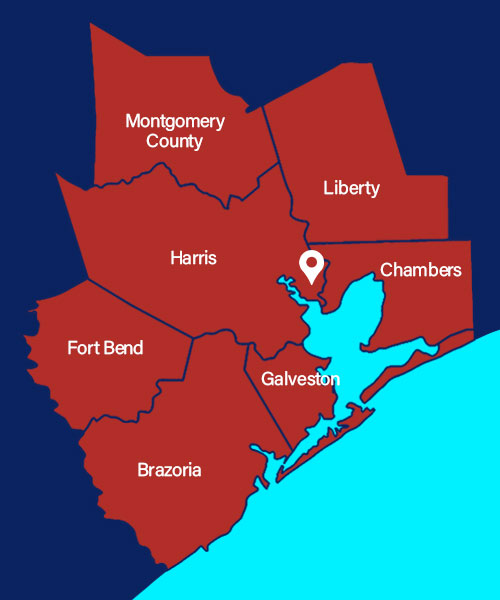
COUNTIES SERVED
OUR VALUES
TESTIMONIALS

I love all of my home health people.

All Signature staff as well as therapy were very helpful.

Their services have always been great.

I really love my physical therapist. Gary has helped me so much.
This has been one of the best agencies. Very caring nurses.

I’ve had a really good physical therapist and really nice nurses.

I have had excellent care & would recommended them to anyone.

Gary Dixon is the very best physical therapist in Baytown and Houston Area.