
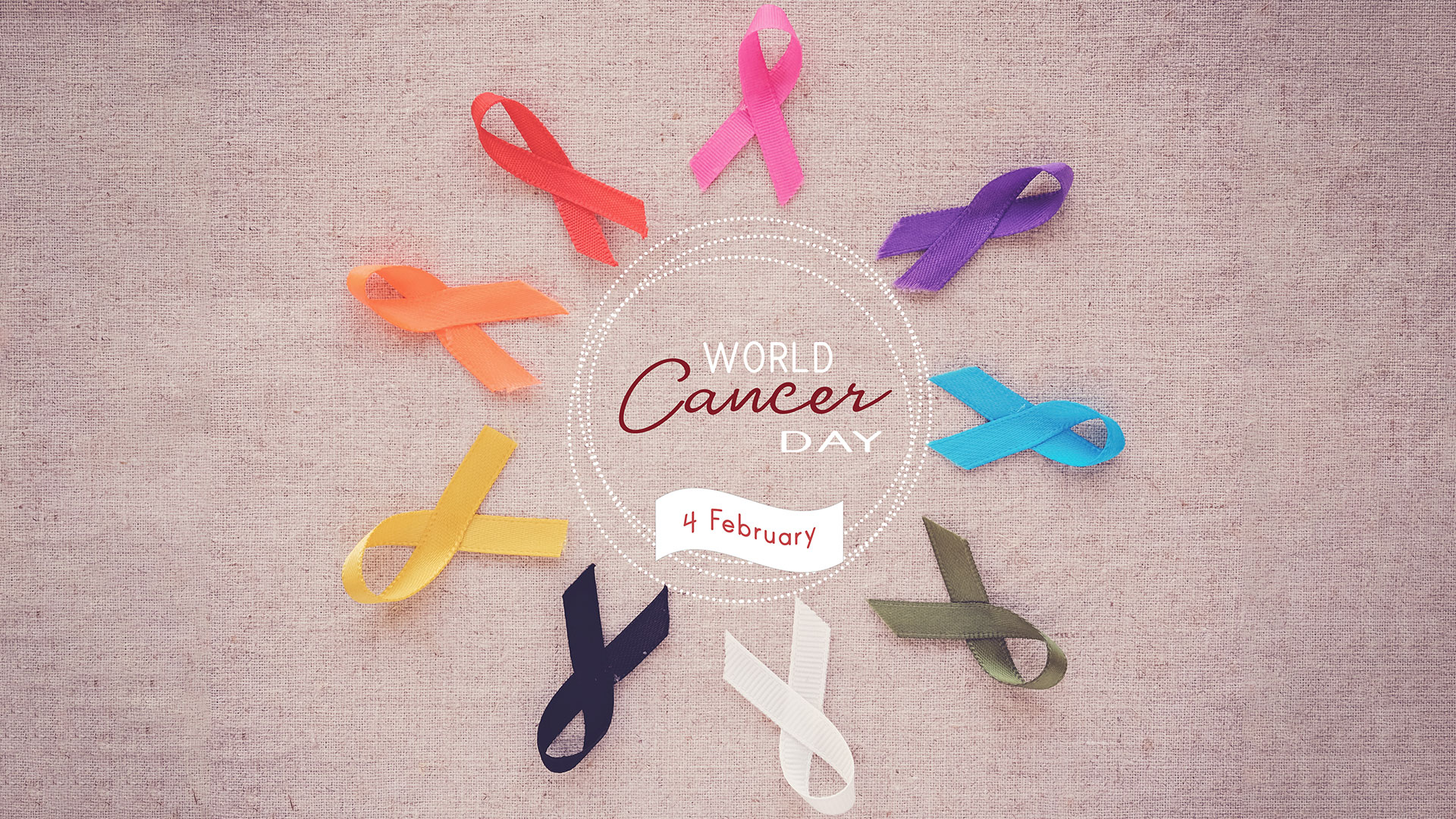
National Cancer Prevention Month / World Cancer Day 2026
This year want to highlight awareness, early detection, and the role of home nursing in cancer care.
Cancer touches nearly every family, yet prevention, education, and personalized care remain powerful tools in reducing its impact. Each year, global and national observances, like World Cancer Day, refocus attention on how informed choices, early detection, and compassionate healthcare can save lives. For us, at Signature Health Services, these moments are not symbolic. They reflect daily work supporting patients and families where care matters most, at home.
A Global Call That Echoes Locally
World Cancer Day brings unified attention to prevention, early diagnosis, equitable care, and survivorship. The observance traces its roots to the 2000 Charter of Paris Against Cancer, which called for international cooperation against one of the leading causes of death worldwide. According to the World Health Organization, cancer accounts for nearly 10 million deaths each year, reinforcing the urgency behind global awareness efforts. While the campaign is worldwide, its success depends on community-level action, especially for patients managing treatment and recovery at home.
A Month Dedicated to Prevention, Not Fear
Cancer Prevention Month extends the conversation beyond a single day, highlighting how risk reduction and early detection shape outcomes. Research consistently shows that about one-third of cancer cases are preventable, largely through tobacco avoidance, healthy nutrition, physical activity, vaccination, and regular screenings. Home nurses and therapists are integral for translating prevention guidelines into practical routines, supporting medication adherence, monitoring symptoms, and reinforcing physician recommendations in familiar surroundings.
Awareness That Leads to Action
Cancer awareness is not limited to statistics or slogans. It is about understanding warning signs, knowing personal risk factors, and feeling supported enough to act early. The American Cancer Society estimates that more than 2 million new cancer cases were diagnosed in the United States last year, showing how critical accessible education is. Home-based care teams often become trusted educators, answering questions, addressing fears, and encouraging screenings that might otherwise be delayed.
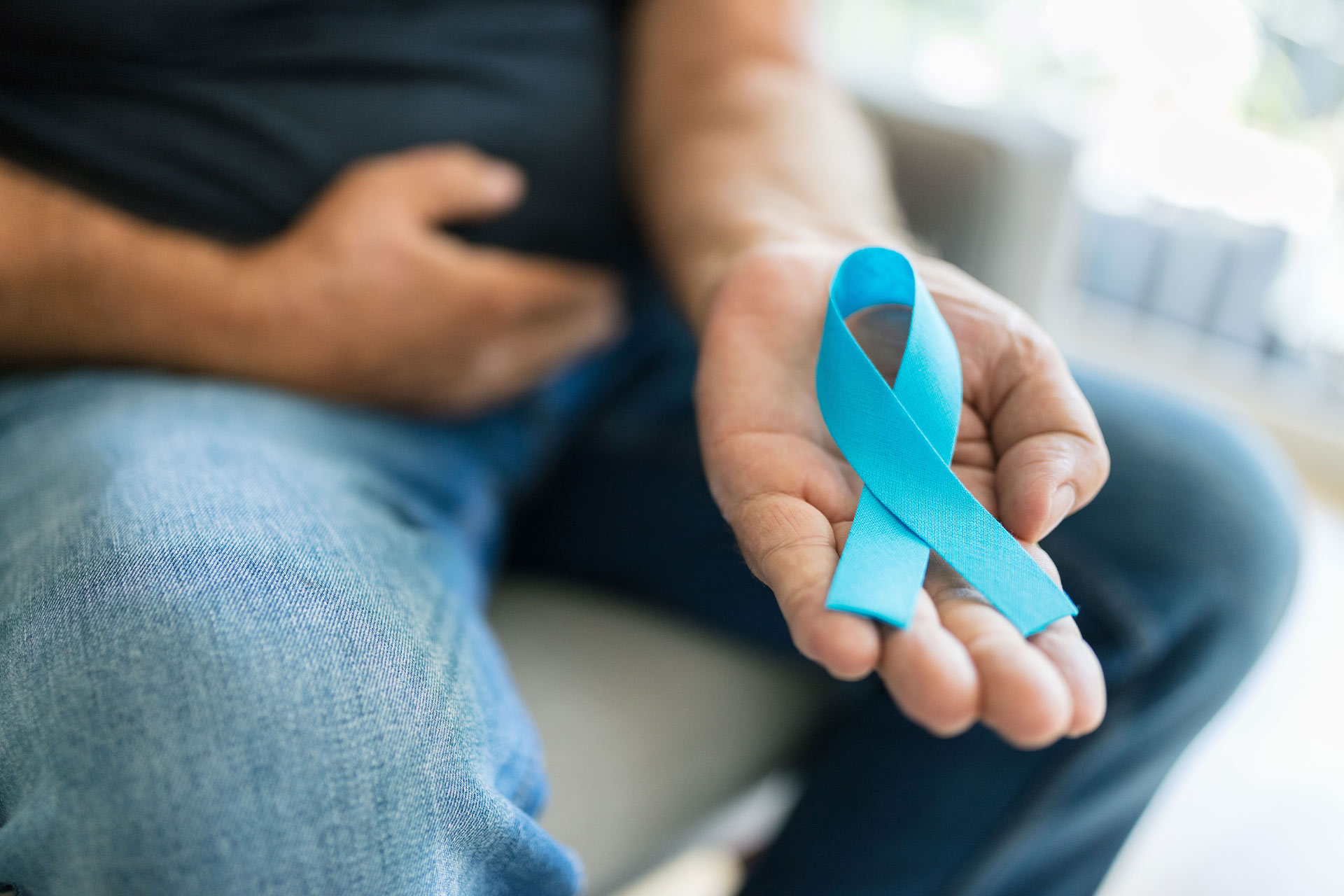
Cancer Explained Without Complexity
Cancer develops when abnormal cells grow uncontrollably and spread to surrounding tissues or distant organs. These changes can result from genetic mutations, environmental exposures, infections, or lifestyle factors. Advances in treatment now include surgery, radiation, chemotherapy, immunotherapy, and targeted therapies designed to attack cancer cells while sparing healthy tissue. Home nursing services support patients experiencing side effects, fatigue, pain, and mobility challenges, improving comfort and continuity of care during and after treatment.
Patterns That Shape Public Health Priorities
Understanding the most common cancers in the United States guides prevention and screening strategies. Breast cancer remains the most frequently diagnosed cancer among women, with early mammography significantly improving survival rates. Lung cancer continues to be the leading cause of cancer-related death, strongly linked to tobacco use and environmental exposure. Prostate cancer is one of the most common diagnoses among men, often detected early through screening. Colorectal cancer risk decreases with routine screening and dietary awareness. Skin cancer, including melanoma, is closely tied to ultraviolet exposure and preventable behaviors. Home care professionals reinforce screening schedules and symptom monitoring, especially for older adults and high-risk patients.
Knowledge That Changes Perspective
Sharing cancer interesting facts helps replace fear with understanding.
These facts reinforce why prevention and early intervention matter.

Meaning Behind a Shared Date
Often referred to as National Cancer Day in public conversations, this observance aligns with global efforts to unify awareness and action. February 4th Cancer Day reminds us all that cancer care does not end at the hospital door. Many patients recover, manage symptoms, or receive palliative support at home. Skilled home nurses and therapists coordinate with physicians to ensure safe transitions, reduce hospital readmissions, and maintain dignity and comfort throughout the care journey.
When Awareness Becomes Personal
Cancer awareness day initiatives emphasize individualized care, recognizing that no two cancer experiences are the same. This philosophy closely mirrors home-based care models, where treatment plans adapt to each patient’s physical, emotional, and social needs. Home nursing agencies provide medication education, wound care, symptom monitoring, rehabilitation therapy, and emotional support. Families benefit from reassurance and guidance that empowers them to participate confidently in care decisions.
Prevention and Partnership
The future of cancer prevention and treatment continues to evolve through research, technology, and coordinated care. Artificial intelligence tools are improving diagnostic accuracy, while genetic testing supports more precise therapies. Equally important are services that bring professional care into the home, reducing stress, improving adherence, and enhancing quality of life. Observances like World Cancer Day highlight that progress depends on both innovation and compassionate delivery.
February reminds communities that awareness, prevention, and personalized support can change outcomes. Through education, early detection, and trusted home-based care, patients and families gain strength, clarity, and continuity during one of life’s most challenging journeys.
Call Signature 24/7 at 800-277-8291 for excellence in skilled and compassionate home health care.
Your Complete Home Health Care Solution!
ALWAYS ON CALL
| Monday – Sunday | 24 / 7 |
1 (800) 277-8291 (option 1)
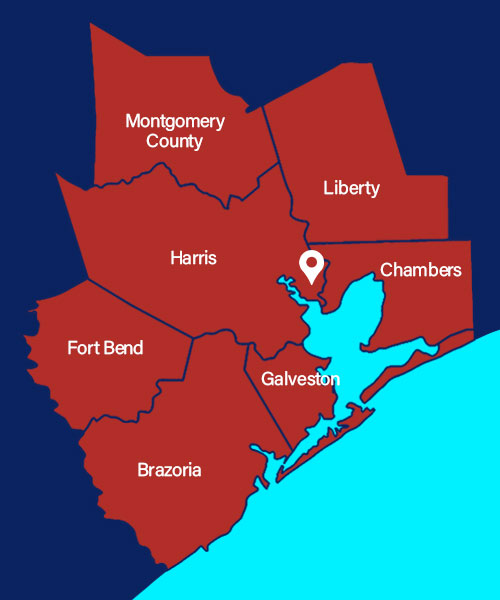
COUNTIES SERVED
OUR VALUES
TESTIMONIALS

I love all of my home health people.

All Signature staff as well as therapy were very helpful.

Their services have always been great.

I really love my physical therapist. Gary has helped me so much.
This has been one of the best agencies. Very caring nurses.

I’ve had a really good physical therapist and really nice nurses.

I have had excellent care & would recommended them to anyone.

Gary Dixon is the very best physical therapist in Baytown and Houston Area.

Request Home Health Care
We are available 24 hours a day and on weekends with an RN always on call.