
Seizure Disorder

Signature Health Services can help with the management and treatment of Seizure Disorder.

Seizure Disorder and how we care for it
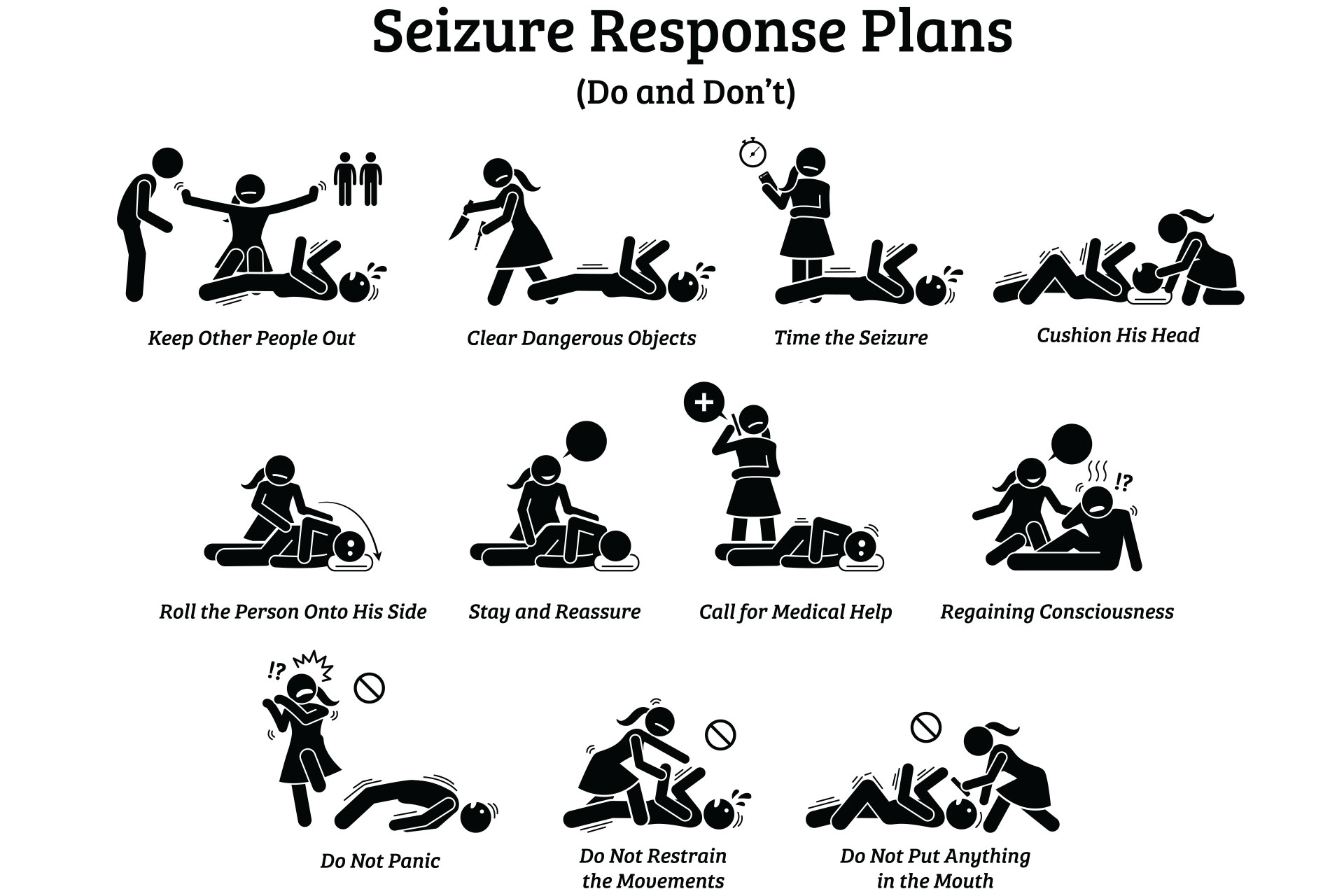
Seizure disorder, often interchangeably referred to as epilepsy, is a neurological condition characterized by the patient experiencing recurrent seizures. A seizure occurs when a sudden, uncontrolled electrical disturbance affects the brain. This electrical disruption can cause changes in behavior, movements, feelings, and levels of consciousness. A seizure disorder might refer to various types of seizures that potentially affect the entire brain.

A stroke interrupts blood flow to a certain part of the brain, leading to brain cell death and potential long-term neurological deficits. On the other hand, a seizure is a temporary episode defined by abnormal electrical activity in the brain. Epilepsy, or seizure disorder, is diagnosed when a person experiences two or more unprovoked seizures. The key differences between a stroke and a seizure lie in their causes and consequences, with strokes causing permanent damage and seizures being transient.

Epileptic seizures are a hallmark of epilepsy but can occur independently of an epilepsy diagnosis. The distinction between an epileptic seizure vs seizure due to other causes (like high fever, alcohol withdrawal, or low blood sugar) is critical for proper treatment and management. Seizures due to other causes can manifest in various forms, including tonic-clonic seizures, absence seizures, and focal seizures, each with its unique characteristics and management strategies.

  • Convulsions – Uncontrollable shaking or jerking movements, often referred to as convulsions or treatment for convulsion when managed.
  • Staring Spells – Brief periods of empty gaze, like staring into space or unresponsiveness.
  • Loss of Consciousness – Fainting or blackout episodes.
  • Confusion – Temporary confusion or disorientation after the seizure.
  • Sensory Symptoms – Strange sensations such as tingling, dizziness, or visual disturbances.
  • Emotional Changes – Sudden feelings of fear, anxiety, or déjà vu.

Identifying the signs and symptoms of a seizure can help in seeking appropriate medical care and avoiding complications.

Several factors can increase the likelihood of developing a seizure disorder. These include:

  • Genetics – Having a family history of epilepsy can increase the risk of developing the condition.
  • Brain Injury – Trauma to the head can lead to seizures.
  • Infections – Meningitis or encephalitis can trigger seizures.
  • Stroke – A history of stroke can increase the risk of seizures.
  • Developmental Disorders – Conditions like autism or neurofibromatosis.
  • Prenatal Injury – Injuries before birth can impact brain development and lead to seizures.

Treatment for epilepsy aims to reduce or eliminate seizures with minimal side effects. Options include:

  • Medication – Anti-epileptic drugs (AEDs) are the primary treatment for controlling seizures. The type of medication prescribed depends on the type of seizures experienced.
  • Surgery – For patients who do not respond well to medication, surgery may be an option to remove the part of the brain responsible for causing the seizures.
  • Lifestyle Changes – Managing stress, getting enough sleep, and maintaining a healthy diet can help reduce seizure frequency.
  • Therapies – Vagus nerve stimulation (VNS) or responsive neurostimulation (RNS) may be recommended.
  • Dietary Adjustments – A ketogenic diet has been effective for some patients, particularly children with refractory epilepsy.

The goal of treatment for convulsion and seizure disorder is to help patients lead an everyday, productive life.

While not all seizures can be prevented, some specific measures can reduce the risk:

  • Managing Risk Factors – Controlling high blood pressure or diabetes and avoiding head injuries.
  • Regular Medical Check-Ups – Preventing and addressing underlying health conditions can also prevent seizures.
  • Medication Adherence – Following prescribed treatments for conditions like epilepsy.
  • Healthy Lifestyle – Ensuring adequate sleep, stress management, and avoiding alcohol or recreational drugs.

Preventative strategies focus on minimizing triggers and maintaining overall health to reduce the occurrence of seizures.

  • Medication Education – Teaching patients to take their medications correctly and on time.
  • Monitoring – Regular monitoring of the patient’s condition and response to treatment.
  • Emergency Care – Immediate intervention during seizures to prevent injuries and complications.
  • Education – Educating patients and families about seizure management and safety.
  • Support – Emotional and psychological support to cope with the challenges of living with a seizure disorder.

Skilled home nursing enhances the quality of life for patients by providing personalized care and support in the comfort of their homes.

Professional involvement in a medical treatment cost depends on your health requirements and medical insurance particularities. However, a skilled nurse will always be prepared to deal with the unique needs of epilepsy patients. So please feel free to call us about any inquiry or information regarding the home care of an ill patient.
At Signature, we have the resources and experience to provide the best quality of care for the patient and the family. Also, our registered nurses may help with assistance and could support any treatment process.
seizure response plan

For more information on how Signature Health Services can help with your healthcare needs, please call 1 (800) 277-8291 (option 1) or email information@signaturehealthservices.net.

care for seizure patient

Trust Our Experience. Trust Our Team. Trust Our Results.

  ALWAYS ON CALL

Monday – Sunday 24 / 7

   1 (800) 277-8291 (option 1)

  COUNTIES SERVED
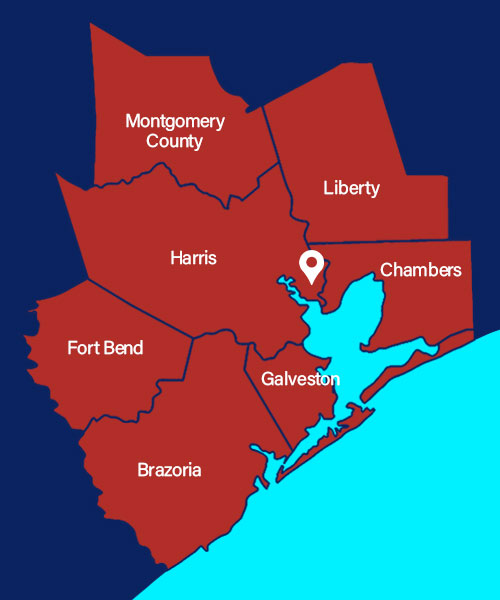
service area

  OUR VALUES

We are passionate about developing, growing, and shaping relationships.

We set the bar high determined to create an exceptional experience.

We stand for what is right and are committed to our cause.
By uniting individuals collaborating on a common goal together is where success is born.

  TESTIMONIALS

I love all of my home health people.

PATRICIA DELACRUZ

All Signature staff as well as therapy were very helpful.

EDWARD HOLMES JR.

Their services have always been great.

SHERRY CAMPBELL

I really love my physical therapist. Gary has helped me so much.

MAGGIE CHAPPEL

This has been one of the best agencies. Very caring nurses.

SHARI BRITTON

I’ve had a really good physical therapist and really nice nurses.

DARREL HOPPE

I have had excellent care & would recommended them to anyone.

NANCY GREEN

Gary Dixon is the very best physical therapist in Baytown and Houston Area.

ANN MULLINS
0
Patients Treated
0
Skilled Nurses
0
Insurance Plans
0
Medical Partners

Request Home Health Care

We are available 24 hours a day and on weekends with an RN always on call.

Skilled Nurses

logo star blue white

Every nurse is qualified and expertly trained to impact the health lives of our patients, while we treat them like family.

Expert Care

logo star blue red

Our skilled team has a wide range of specialties with comprehensive knowledge of how to treat all types of medical needs.

Superb Rehabilitaion

logo star red white

We’re honored to have served our community for nearly 30 years with utmost dedication and are grateful to be your 1st choice in home health care.