
Alzheimer’s Disease & Dementia Care Education Week
National Council of Certified Dementia Practitioners (NCCDP) dedicates a week in February to raise awareness about Alzheimer’s and dementia.
Caring for someone with memory loss calls for more than patience. It requires specialized knowledge, structured support, and compassionate clinical skills. Across the health care sector, education initiatives continue to raise standards for dementia care, helping families and professionals respond to the growing impact of cognitive disorders. One of the most recognized initiatives is Alzheimer’s and Dementia Care Education Week, which promotes consistent, high-quality care practices and strengthens professional competencies.
Led by organizations such as the National Council of Certified Dementia Practitioners, this awareness initiative shows everyone the importance of dementia training for caregivers, encourages professional certification, and promotes better outcomes for patients living with Alzheimer’s disease and related dementias. For us at Signature Health Services, education remains one of the most powerful tools to improve safety, comfort, and quality of life for patients and families.
Why Dementia Education Matters More Than Ever
Dementia affects millions of people worldwide and remains a leading cause of disability among older adults. According to the World Health Organization, more than 55 million people globally live with dementia, and nearly 10 million new cases occur every year. Alzheimer’s disease accounts for the majority of cases, representing approximately 60 to 70 percent of diagnoses.
Despite its widespread impact, training requirements for dementia care vary significantly across regions and care settings, which makes ongoing professional development essential. Structured dementia training for caregivers helps health professionals and family members recognize symptoms early, manage behavioral changes, and provide appropriate daily support.
For home care providers, education translates directly into better patient outcomes. Skilled home nurses and therapists apply evidence-based care techniques, reduce preventable complications, and support independence for longer periods. Families also gain confidence when guided by trained professionals who understand the progression of cognitive decline.
Understanding Dementia and Its Causes
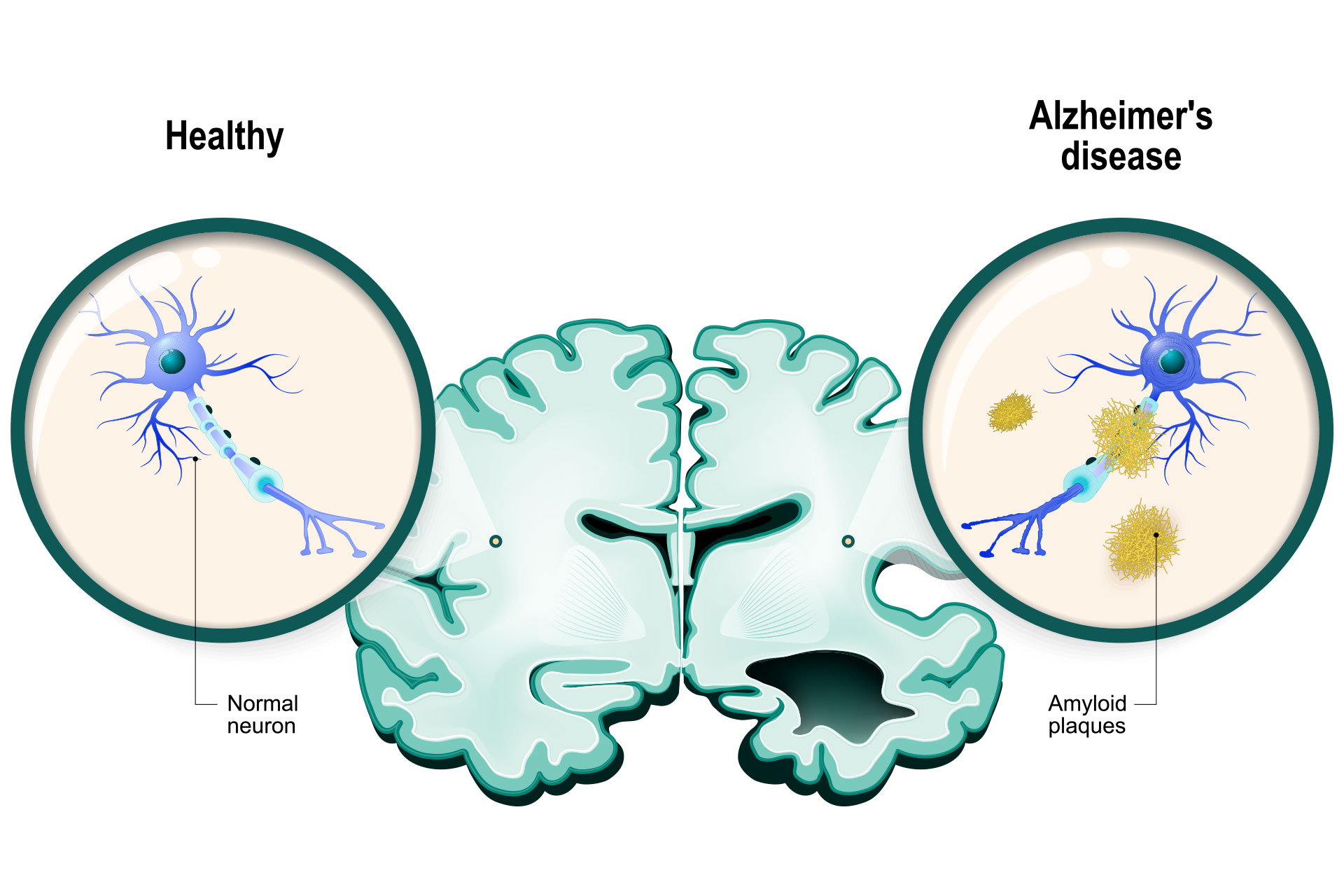
Dementia describes a group of symptoms involving declining memory, reasoning, communication, and functional abilities severe enough to interfere with daily life. It is not a normal part of aging but results from damage to brain cells that disrupts communication between neurons.
Several conditions can lead to dementia, including Alzheimer’s disease, vascular dementia, Lewy body dementia, and frontotemporal disorders. Common contributing factors include progressive brain cell degeneration, reduced blood flow to the brain following stroke, traumatic brain injury, infections, and certain neurological diseases.
Because symptoms gradually worsen over time, early intervention and proper Alzheimer’s disease patient education play a critical role in maintaining quality of life. Education helps families understand disease progression, anticipate changes, and adopt effective care strategies.
Recognizing Early Warning Signs
The Alzheimer’s Association identifies several early warning signs that may indicate Alzheimer’s disease or another form of dementia. Recognizing these changes supports earlier diagnosis and timely care planning.
Common symptoms include memory loss that disrupts daily routines, difficulty planning or solving problems, confusion about time or location, and trouble completing familiar tasks. Many individuals also experience language difficulties, challenges with visual perception, poor judgment, misplaced items, and withdrawal from social activities. Changes in mood, personality, anxiety, or depression may also appear.
Prompt recognition allows for early medical evaluation, structured care planning, and targeted training for Alzheimer’s caregivers, which can significantly improve patient safety and emotional well-being.
Alzheimer’s and Dementia Staff Education Week
Health care organizations observe Alzheimer’s and Dementia Staff Education Week each year to strengthen professional knowledge and encourage consistent care standards. The initiative emphasizes several core priorities, including improving Alzheimer’s education programs, promoting certification opportunities, and supporting ongoing professional development.
Educational programs often include hands-on workshops, case studies, and clinical instruction on communication techniques, behavioral management, safety practices, and person-centered care. These efforts help build a workforce prepared to address the complex needs of individuals living with dementia.
For us, participation reinforces commitment to excellence. Continuous Alzheimer’s caregiver education ensures that nurses and therapists remain informed about evolving care practices and therapeutic approaches.
Professional Certification and Higher Standards of Care
One of the most recognized credentials in dementia care is the Certified Dementia Practitioner designation. This certification demonstrates advanced knowledge in dementia care principles, communication strategies, and patient safety practices.
Training programs developed by national dementia practitioner organizations encourage structured learning and practical skill development. Health care facilities often recommend that staff complete specialized dementia training and maintain ongoing education to improve service quality.
For patients receiving care at home, working with a certified dementia practitioner or similarly trained professional offers clear advantages. Certified professionals deliver more consistent care, identify complications early, and provide families with reliable guidance on disease management.

Benefits of Home Nursing and Therapy for Dementia Patients
Receiving care at home provides meaningful physical and emotional benefits for patients with Alzheimer’s disease and related conditions. Familiar surroundings reduce confusion, lower anxiety, and support emotional stability. Home-based services also allow personalized care tailored to each patient’s needs and routines.
Experienced home nurses provide medication management, monitor cognitive and physical changes, and assist with daily activities, including hygiene, nutrition, and mobility. Licensed therapists provide cognitive stimulation, rehabilitation, and safety training to help patients maintain independence.
Families also benefit from professional support. Home care teams provide education, emotional reassurance, and practical caregiving strategies that reduce stress and prevent burnout. Through structured Alzheimer’s disease patient education and ongoing guidance, families learn how to manage behavioral symptoms, establish routines, and create safer living environments.
Research consistently shows that person-centered home care can reduce hospital admissions, improve symptom management, and enhance overall quality of life for patients with chronic conditions, including dementia.
Community Awareness and Caregiver Support
Public awareness initiatives encourage communities to better understand dementia and support affected families. Participation in educational programs, professional certification courses, and caregiver workshops strengthens knowledge across care settings.
Health care providers also promote brain health strategies that support cognitive function, including regular physical activity, social engagement, lifelong learning, and management of cardiovascular risk factors. While no cure currently exists for most forms of dementia, informed care and supportive interventions can significantly improve daily functioning and well-being.
A Commitment to Compassionate, Skilled Care
At Signature, education remains central to delivering safe and effective services. Continuous dementia training for caregivers ensures that professionals respond appropriately to cognitive, emotional, and physical needs while preserving patient dignity.
By investing in Alzheimer’s education, supporting professional certification, and prioritizing individualized care, home health teams help patients remain comfortable and secure in familiar surroundings. The combination of clinical expertise, compassionate support, and ongoing learning creates a stronger foundation for families facing the challenges of dementia.
Through initiatives such as Alzheimer’s and Dementia Care Education Week, health care providers, caregivers, and communities continue to strengthen care standards and expand access to knowledge. Improved education leads to earlier intervention, better symptom management, and greater quality of life for those living with Alzheimer’s disease and related disorders.
Call Signature 24/7 at 800-277-8291 for excellence in skilled and compassionate home health care.
Your Complete Home Health Care Solution!
ALWAYS ON CALL
| Monday – Sunday | 24 / 7 |
1 (800) 277-8291 (option 1)
COUNTIES SERVED

OUR VALUES
TESTIMONIALS

I love all of my home health people.

All Signature staff as well as therapy were very helpful.

Their services have always been great.

I really love my physical therapist. Gary has helped me so much.
This has been one of the best agencies. Very caring nurses.

I’ve had a really good physical therapist and really nice nurses.

I have had excellent care & would recommended them to anyone.

Gary Dixon is the very best physical therapist in Baytown and Houston Area.

Request Home Health Care
We are available 24 hours a day and on weekends with an RN always on call.