
Every day, family caregivers across the United States provide unwavering support to loved ones who are unable to care for themselves. These caregivers are not only spouses, children, or friends; they are the backbone of care for aging parents, patients with disabilities, and veterans living with physical or emotional challenges. National Family Caregivers Month, observed every November, is a national reminder of their strength, compassion, and the sacrifices they make. However, beyond a single month of recognition, their dedication deserves appreciation and support throughout the year.
The History of National Family Caregivers Month
National Family Caregivers Month was first officially recognized in 1994 when then-President Bill Clinton issued a proclamation acknowledging the significant role of family caregivers. What started as a reminder of the role caregivers play in society has evolved into a month-long observance dedicated to recognizing the diverse responsibilities caregivers undertake. Over time, the month has expanded to include various resources and support programs, including the National Family Caregivers Support Program and the Veterans Family Caregiver Program, both of which assist caregivers of veterans and other patients requiring long-term care.
The Role of Registered Nurses and Licensed Therapists in Caregiving
Registered nurses and licensed therapists are vital allies for family caregivers, stepping in to offer skilled, compassionate care while providing caregivers with much-needed respite. For caregivers who look after veterans or loved ones with complex medical needs, support from trained healthcare professionals can significantly reduce the emotional and physical strain of caregiving. Home nurses assist with essential medical tasks, such as medication education, monitoring vital signs, and wound care, while licensed therapists offer physical, occupational, or emotional therapy tailored to the patient’s needs. This partnership ensures that caregivers can maintain their well-being while also giving their loved ones the best possible quality of life.
Support Programs for Family Caregivers
The demands on family caregivers are often overwhelming, but numerous programs exist to ease the burden and provide specialized support. For example, the National Family Caregivers Support Program (NFCSP) helps individuals caring for older family members, veterans, or individuals with disabilities. This program offers counseling, caregiver training, respite care, and assistance in purchasing caregiving supplies.
For those supporting veterans, the Veterans Family Caregiver Program, administered by the Department of Veterans Affairs (VA), provides vital financial assistance, mental health services, and caregiver training. This program is specifically designed to address the unique needs of veterans, many of whom face physical or emotional challenges arising from their military service. Programs like these ensure that caregivers have the necessary tools to provide adequate support without compromising their own health and well-being.

How to Observe National Family Caregivers Month
There are many ways to observe and support family caregivers during National Family Caregivers Month:
Support for Family Caregivers of Veterans
Family caregivers of veterans face unique challenges due to the physical and emotional impact of military service. In recognition of this, the VA’s Veterans Family Caregiver Program has become a pillar of support for veterans’ family caregivers. This program provides caregivers with access to essential resources, from financial aid to training on managing PTSD, traumatic brain injuries, and other service-related health concerns.
Having a network of healthcare professionals, including registered nurses and licensed therapists, can make the caregiving process much more manageable for these caregivers. Home healthcare professionals understand the unique demands of caring for veterans, ensuring they provide sensitive, personalized support. Observing Veterans Day in November alongside National Family Caregivers Month is a timely reminder of caregivers’ ongoing role in supporting the men and women who have served our country.
Ways Healthcare Professionals Enhance the Caregiver’s Journey
Healthcare providers who work closely with family caregivers offer more than just medical expertise; they provide peace of mind and practical support. Here’s how they make a difference:
- 1
Ensuring Continuity of Care – Registered nurses and licensed therapists bring specialized skills that help bridge any knowledge or capability gaps caregivers may face. By supporting routine tasks and handling complex medical needs, caregivers can focus on other aspects of their loved one’s well-being.
- 2
Providing Education and Training – Many home health providers are trained to educate caregivers, giving them essential knowledge on wound care, mobility assistance, and emotional support. This training empowers caregivers to perform daily tasks confidently and effectively.
- 3
Offering Respite and Relief – The emotional toll of caregiving can be considerable. By stepping in, home nurses allow caregivers to rest and recharge, preventing burnout and helping them sustain their efforts over the long term.
- 4
Supporting Mental Health – Caregivers often deal with high levels of stress, particularly when caring for veterans with PTSD or traumatic injuries. Licensed therapists play an essential role in providing both the caregiver and the patient with emotional support, addressing mental health needs that might otherwise go unaddressed.

Celebrating Family Caregivers Year-Round
While National Family Caregivers Month is an annual observance of the value of caregivers, supporting them should be an enduring commitment. Family members, friends, and communities can help by checking in on caregivers, offering practical assistance, and advocating for policies and programs that expand support for caregivers nationwide. Additionally, family caregivers of veterans benefit tremendously from community understanding and appreciation, which can be expressed during events like Veterans Day and Family Support Month.
Moving Forward Together
As we observe National Family Caregivers Month, let’s acknowledge the sacrifices caregivers make to support those they love. Whether they are caring for aging parents, individuals with disabilities, or veterans who have served their country, caregivers demonstrate resilience, compassion, and dedication daily. We contribute to a culture that values and uplifts the caregiving community by providing them with the resources and assistance they need.
This November, let’s show our caregivers gratitude and offer tangible support, acknowledging their invaluable role in our lives and those of the people they care for. For caregivers, knowing they have a network of nurses, therapists, and national programs behind them can make all the difference, ensuring they feel seen, valued, and supported.
Call Signature 24/7 at 1 (800) 277-8291 for excellence in skilled and compassionate home health care.
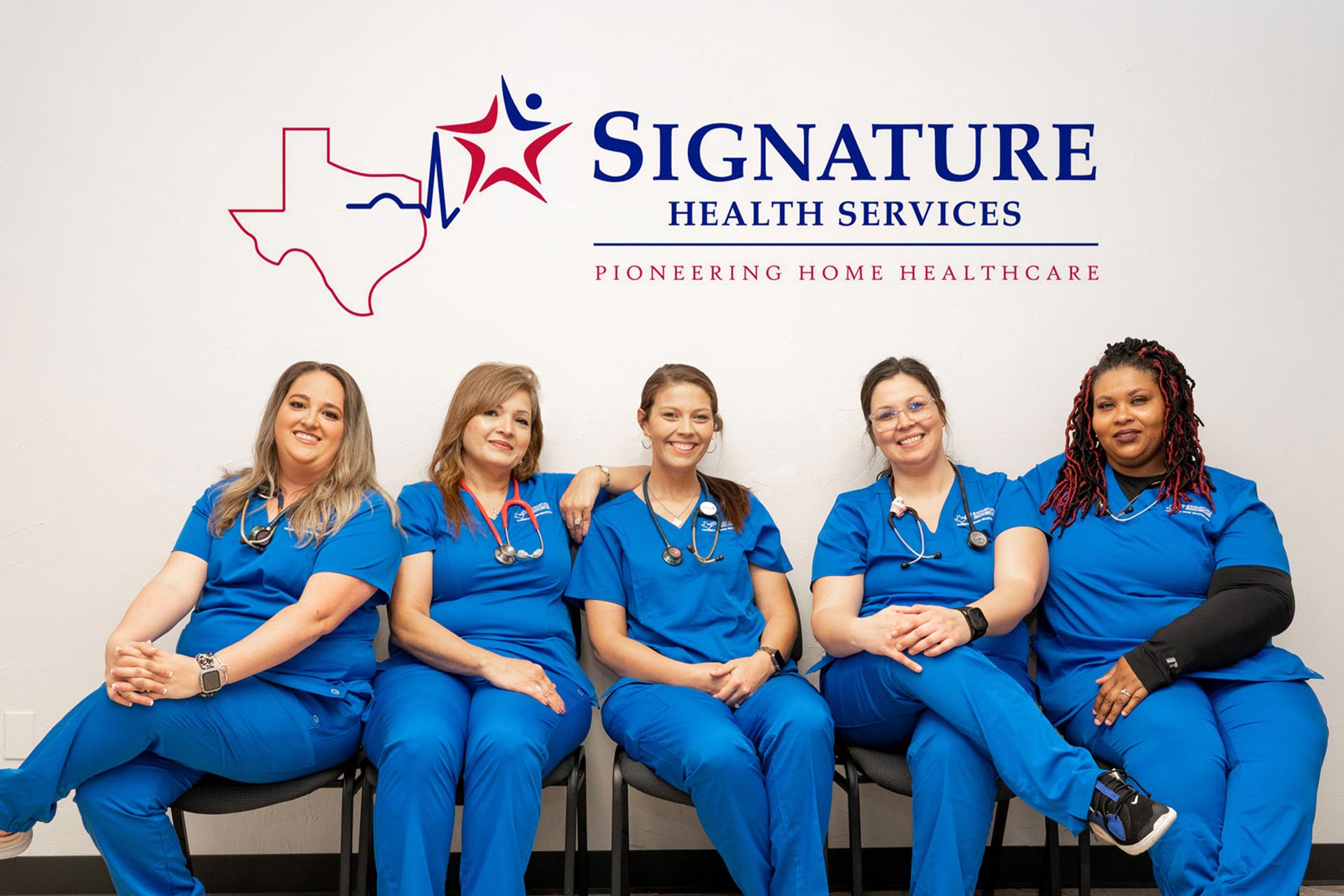
Your Complete Home Health Care Solution.
ALWAYS ON CALL
| Monday – Sunday | 24 / 7 |
1 (800) 277-8291 (option 1)
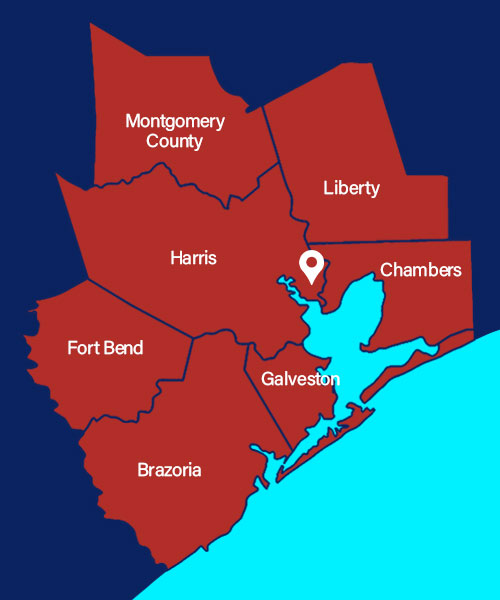
COUNTIES SERVED
OUR VALUES
TESTIMONIALS

I love all of my home health people.

All Signature staff as well as therapy were very helpful.

Their services have always been great.

I really love my physical therapist. Gary has helped me so much.
This has been one of the best agencies. Very caring nurses.

I’ve had a really good physical therapist and really nice nurses.

I have had excellent care & would recommended them to anyone.

Gary Dixon is the very best physical therapist in Baytown and Houston Area.