
International Day of Persons with Disabilities
Amplifying Leadership for an Inclusive Future
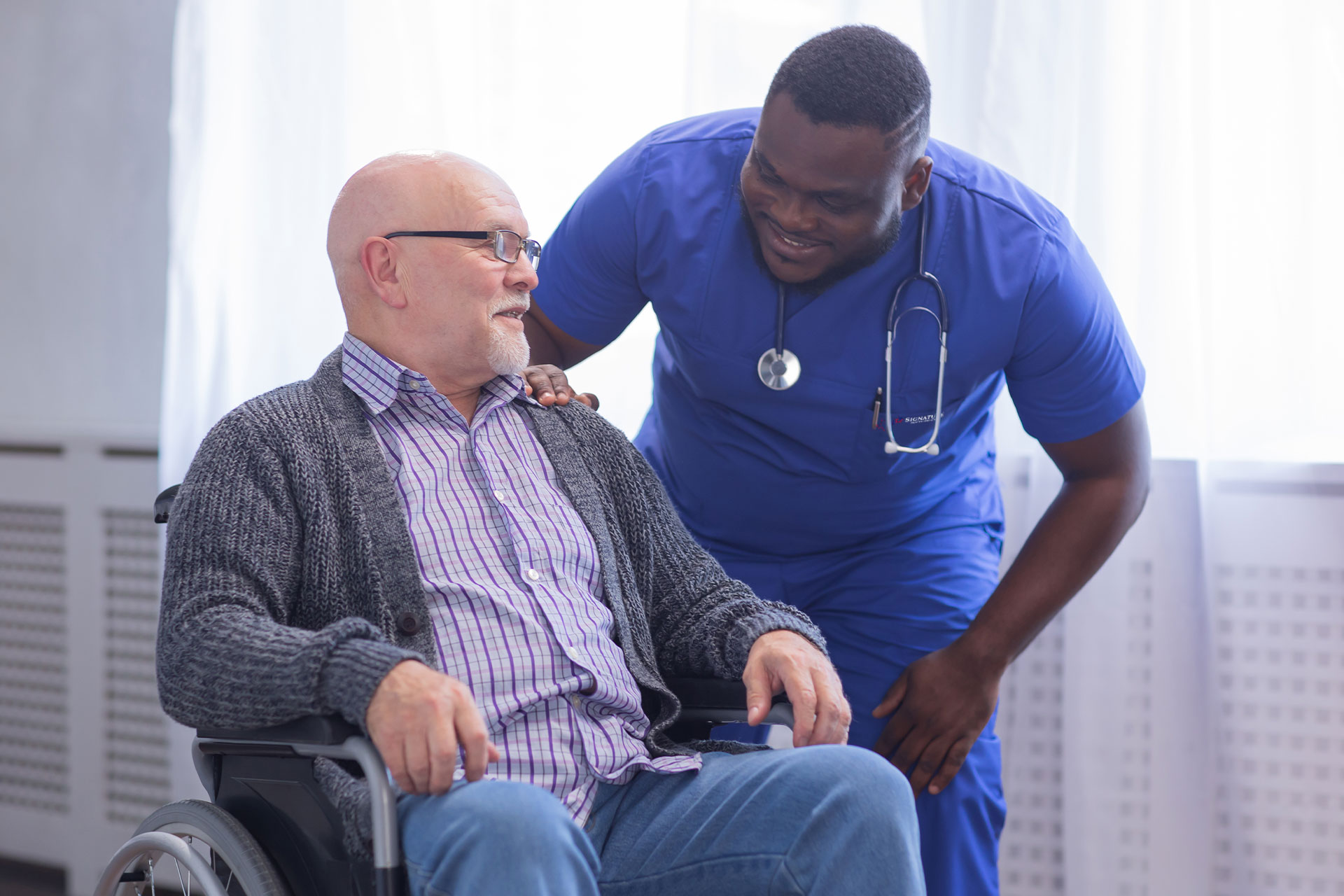
Across many communities, the work of home nurses and licensed therapists provides essential support for individuals living with disabilities. This daily commitment forms the foundation for a more inclusive society, which is why the International Day of People with Disabilities carries such profound meaning.
Observed each year on December 3rd, this global event is all about the rights, contributions, and leadership of persons with disabilities, and it encourages more substantial efforts toward accessibility in homes, schools, workplaces, and public life.
Established by the United Nations General Assembly in 1992, the International Day for People with Disabilities continues to raise awareness of disability inclusion and advocate for equal participation. The day is often referred to as the Day of the Disabled, UN Disability Day, or World Disability Day, and it remains a key moment for reflection and action. For home care providers, it is also an ongoing reminder that skilled support delivered directly in the home can make a life-changing difference in promoting independence, safety, and quality of life.
A Global Perspective on Disability
Current estimates from the World Health Organization confirm that more than 1.3 billion people live with a significant disability. This represents about 16 percent of the world population, reinforcing the importance of practical, consistent inclusion efforts. Disability often intersects with other factors that affect access to healthcare and economic opportunity:
These realities show why continued focus on accessibility, leadership, and rights remains essential. They also show why home health services matter. Whether through physical therapy, medication education, chronic disease management, or daily activities, home nurses and therapists help reduce obstacles that patients may face in traditional healthcare settings.
The December World Disability Day Theme
Each year, the United Nations selects a World Disability Day theme to guide global discussions. The 2025 theme, “Fostering disability-inclusive societies for advancing social progress“, emphasizes the need for inclusive societies to drive social development and builds on the momentum of recent social development summits.
Home care professionals witness these efforts every day. Many patients receiving care set personal goals, pursue education or employment, contribute to local advocacy efforts, or lead community programs. With the right support system, including skilled home nurses and therapists, people with disabilities can exercise greater control over their health and daily lives. The result is stronger inclusion at home and within larger community structures.

The Role of Home Nursing in Disability Inclusion
A home environment can provide comfort, safety, and familiarity. For patients living with mobility limitations, chronic illnesses, sensory disabilities, or cognitive conditions, the home is also a central point for accessible care. This is where home health professionals play a vital role:
Connecting Disability Inclusion with Sustainable Development
The current World Disability Day theme also aligns with several United Nations Sustainable Development Goals. Objectives related to poverty reduction, healthcare access, gender equality, quality education, and decent work all require full disability inclusion. People with disabilities face higher risks of unemployment, medical complications, social isolation, and economic hardship. Strengthening community-based services, including home care, directly advances progress toward these goals.
When people have reliable access to home nursing or therapy, they are better positioned to pursue education, employment, community involvement, and leadership roles. Support at home enables fuller participation in society, which is central to the purpose of UN Disability Day.
How Communities Can Support This Mission
While December 3rd is an important annual observance, inclusion must be sustained every day. Communities can contribute in several ways:
A Shared Commitment on December 3rd and Beyond
The International Day for People with Disabilities tells us that inclusion is not symbolic. It is practical, daily work. Home nurses, therapists, family caregivers, and community leaders play a collective role in elevating the rights and leadership of persons with disabilities. By strengthening accessibility at home and in the community, we help create a future where every person has the support they need to thrive.
Call Signature 24/7 at 1 (800) 277-8291 for excellence in skilled and compassionate home health care.
Your Complete Home Health Care Solution!
ALWAYS ON CALL
| Monday – Sunday | 24 / 7 |
1 (800) 277-8291 (option 1)
COUNTIES SERVED

OUR VALUES
TESTIMONIALS

I love all of my home health people.

All Signature staff as well as therapy were very helpful.

Their services have always been great.

I really love my physical therapist. Gary has helped me so much.
This has been one of the best agencies. Very caring nurses.

I’ve had a really good physical therapist and really nice nurses.

I have had excellent care & would recommended them to anyone.

Gary Dixon is the very best physical therapist in Baytown and Houston Area.

Request Home Health Care
We are available 24 hours a day and on weekends with an RN always on call.