
A Lifesaving Cause That Reaches Beyond the Hospital
National Donate Life Month is all about organ donation needs and how home nursing supports transplant recovery and patient care.
How Home Nursing Strengthens Transplant Care and Organ Donation Awareness
Each year, National Donate Life Month brings attention to the life-saving impact of organ and tissue donation while honoring donors, recipients, and healthcare professionals. Established by Donate Life America in 2003, this national observance has become a central moment for education, advocacy, and community engagement. Within the healthcare continuum, experienced home nursing teams witness the long-term outcomes of transplantation, which gives this donation month a deeply personal meaning.
For many patients and families, April Donate Life initiatives represent hope, recovery, and renewed quality of life. The message continues to resonate as Organ and Tissue Donation Awareness Month expands its reach through public campaigns, clinical education, and patient support programs.
The Ongoing Need for Organ and Tissue Donors
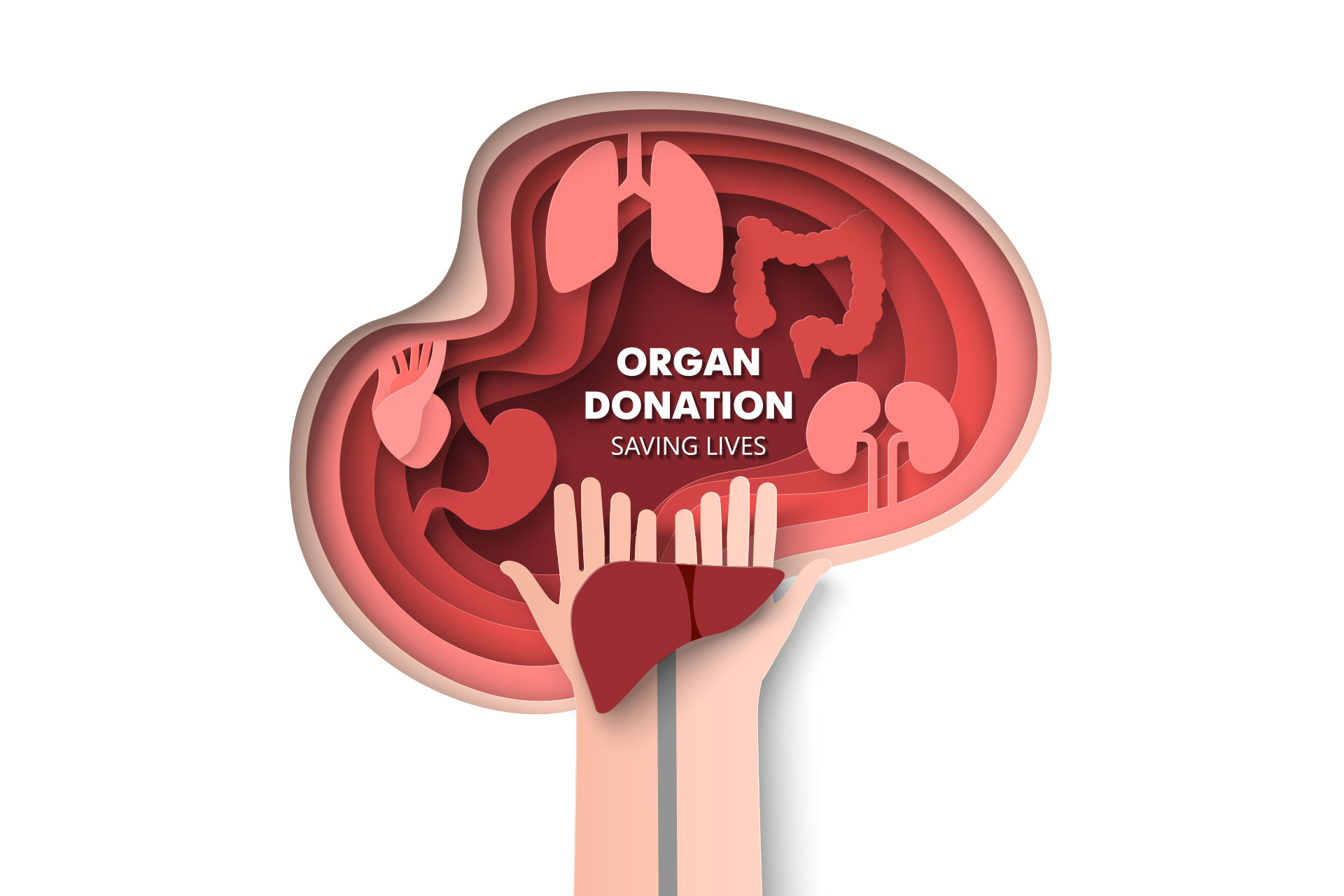
Across the United States, the demand for organ transplants continues to exceed supply. More than 100,000 patients remain on the national transplant waiting list. Every eight minutes, a new patient is added. Kidney transplants account for the majority of needs, representing nearly 85 percent of those waiting.
Daily loss remains a critical concern, with approximately 17 people dying each day while awaiting a transplant. These figures reinforce why April is National Donate Life Month and why sustained awareness efforts remain essential. A single organ donor can save up to eight lives, while tissue donation can improve dozens more through corneal transplants, skin grafts, and bone reconstruction.
Why National Donate Life Month Matters in Clinical Practice
Healthcare professionals are crucial for the success of donation and transplantation systems. From early education to post-operative recovery, coordinated care ensures better outcomes for patients. Within this framework, home nurses and therapists contribute meaningful support that extends well beyond hospital discharge.
The work tied to National Donate Life efforts includes guiding families through complex decisions, supporting transplant recipients during recovery, and reinforcing long-term care plans. These responsibilities align closely with the goals of donor life campaigns, which emphasize informed decision-making and compassionate care.
Home Nursing for Transplant Recovery
Recovery after an organ transplant requires consistency, monitoring, and education. Home nursing services offer a structured and personalized approach that improves patient outcomes and reduces hospital readmissions.
Supporting Patients Before and Beyond Transplant Eligibility
Not every patient qualifies for a transplant, which makes supportive care equally important. Home nursing agencies assist individuals living with advanced organ failure by focusing on symptom management, comfort, and quality of life.
Patients awaiting transplantation benefit from pre-transplant care, which includes monitoring vital signs, maintaining nutritional balance, and managing chronic conditions. This level of support helps patients remain stable while they wait for a donor match.
For patients who are not eligible, home care services provide compassionate management and coordination with palliative care teams. This approach ensures dignity and comfort while aligning treatment with patient goals.
Community Engagement During April Donate Life
Public participation strengthens the impact of Organ and Tissue Donation Awareness Month. Communities across the country recognize this time through educational events, awareness campaigns, and donor registration initiatives.
These observances connect communities with the mission of Donate Life America and reinforce the importance of registration and education.
How We All Can Support Donate Life Efforts
Participation in Donate Life initiatives can take many forms, each contributing to broader awareness and patient support.
Home care also assists patients suffering from organ failure who may not be eligible for a transplant. Nurses help manage their condition, improve quality of life, and provide compassionate end-of-life care when necessary.
The Enduring Impact of National Donate Life Month
The significance of National Donate Life Month extends beyond awareness campaigns. It reflects a coordinated effort across healthcare systems, communities, and families to save lives and improve outcomes. For home nursing professionals, this work continues every day through patient-centered care, education, and advocacy.
As April is National Donate Life Month, the opportunity to support donation efforts becomes more visible. Each registered donor, each informed family, and each supported patient contributes to a stronger, more responsive healthcare system. The combination of clinical expertise and compassionate home care ensures that the impact of Donate Life America initiatives reaches patients where it matters most, at home, during recovery, and throughout every stage of care.
Call Signature 24/7 at 800-277-8291 for excellence in skilled and compassionate home health care.

Your Complete Home Health Care Solution!
ALWAYS ON CALL
| Monday – Sunday | 24 / 7 |
1 (800) 277-8291 (option 1)
COUNTIES SERVED

OUR VALUES
TESTIMONIALS

I love all of my home health people.

All Signature staff as well as therapy were very helpful.

Their services have always been great.

I really love my physical therapist. Gary has helped me so much.
This has been one of the best agencies. Very caring nurses.

I’ve had a really good physical therapist and really nice nurses.

I have had excellent care & would recommended them to anyone.

Gary Dixon is the very best physical therapist in Baytown and Houston Area.

Request Home Health Care
We are available 24 hours a day and on weekends with an RN always on call.